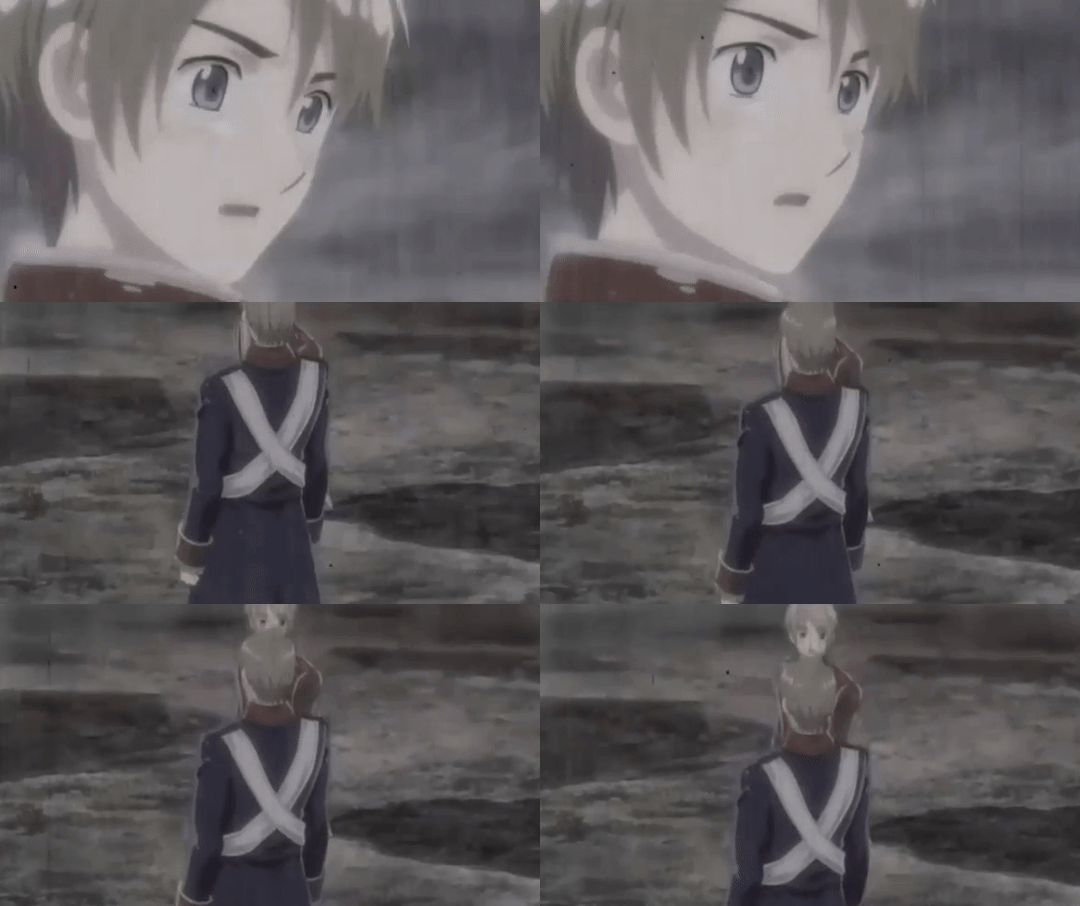
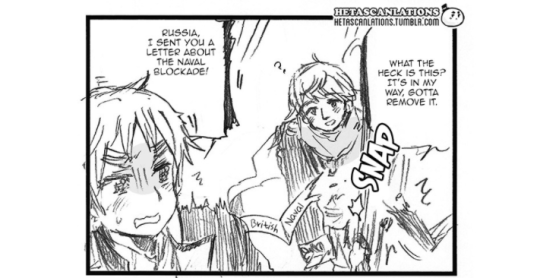
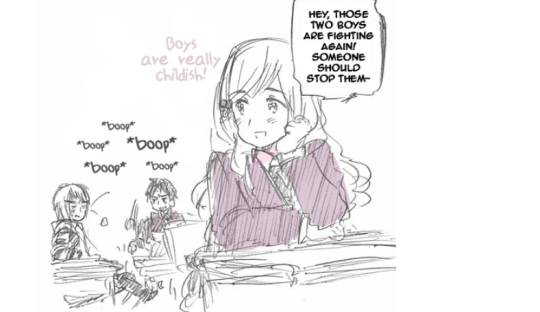
image
image

A lot happens in 4000 years. For one being to experience it,
let alone endure all its hardships, and still manage to find moments of joy and
reasons to smile is incredible.

image

That said, I’d like to take this post to go over how strong
China is in all facets. He’s not weak, nor is he lame. In fact, he’s likely one
of the richest characters in the series considering everything that he’s been
through.

Physical Strength: 

As mentioned, China’s lived for several millennia.

Now, imagine how painful that would be for him to bear.
Every time a country experiences an economic recession and/ or political struggle
(e.g., war) their health declines, they get scars, and their bodies begin to
ache [x].

This is especially the case for China, who’s had a particularly
rough history [x].

image
image

Ex: As early as when he first meets Japan, China’s still
considerably old, despite being dubbed as “Young China.” He’s spotted complaining about the aches and pains that his
country’s political struggles cause him.

image

Ex: After Japan betrays him, it’s hinted that China’s
developed several scars on his back. Point is, he’s endured.

image
image
image

Ex: While America’s perception may be exaggerated, the fact
that he, as someone bearing super strength, thinks that China is strong is
pretty telling. It’s a clear acknowledgment of China’s strength.

image

Ex: In the “Hetalia of the Dead” strips, other nations show
fear at the prospect of China being able to summon a dark spirit.

image

On the other hand, due to how long China’s lived, his
physical body has aged.

Ex: He tires and gets worn out easily.

image

Ex: He’s stiff from age, albeit flexible in weird places [x]

While he may be “lazy” in his everyday life [x] and regardless
of how much it tires him, China still pushes through with “feats of strength.”

Ex: He’s a sore loser and stubbornly tries to touch his toes
when stretching.

image

Ex: He goes to world meetings and events at the cost of
getting fatigued.

image

Mental Strength:

image

Back to history, China’s ability to cope and function from
all the adversities he’s faced is unarguably a strength in itself.

Despite being betrayed by Japan [x], he eventually overcame his grudge.

image
image
image

In the present, he
and Japan are sometimes spotted working together.

Ex: He works on strengthening his diplomatic ties with
Japan. 

image

Ex: He asks Japan to design him a New Years’ postcard [x].

Ex: In a character note, it’s explicitly stated that his history
has made him thick-skinned. He’s “tough mentally.”

image

No one likes change, but it’s inescapable, especially for
someone like China. 

Ex: On several occasions, he’s been shown to be melancholic and
upset over how drastically the world has changed.

image
image

Economic Strength:

image

Obviously, he’s become an economic superpower in modern
times, and while his old age prevents him from assuming the same physical strength
as a younger country in a similar position would – like America – the strength
is in his performance.

Ex: He’s very up-to-date with technology and squashes
competition for production costs [x] – although unmentioned, this is at the
consequence of terrible working conditions for his people. It’s important to
recognize that.

image

Ex: He’s referred to as a powerhouse, regardless of the fact that he gains weight due to rising Chinese obesity rates.

image

Ex:There’s also this beautiful sequence where Hima draws out a scenario from a movie he watched. China holds America as collateral until the latter’s
debt owed to him is paid [x].

image

In sum, while China may be weakened by old age, he’s far
from lame and he’s anything but a plain character. If anything, the series
could really use a lot more of him.

image

China is strong, no question there. The only thing that I
have to point out is that because he’s 4000 years old, his physical body has
aged. He can’t maintain the same strength or endurance as would younger nations
like America.

Anyways, I think it would be really interesting to explore
China’s strength in all facets. Post coming up tonight!

image
image

It flows
differently for them:   

Of course,
being immortal affects how the nations experience time. They’ve lived for
centuries/ millennia and experience time at a much faster pace. A year, let
alone a decade, for a human is nothing to them.

Ex: Canada once
spent an entire weekend in a trance, staring into Kumajiro’s eyelashes. [x]

image
image

Ex: Because time flows differently for him, by the time America visits his child/ later teen friend Davie again, the latter’s had both children and grandchildren [x].

Interestingly,
the nation’s immortality can also rub off on other beings.

Ex: Pets like
Hanatamago, Pochi, or the Gilbird’s have extended lifespans as a result of
being around their owner nations. Should they separate, they would become
normal pets again. [x]

image

Ex: The
situation with humans is similar, but not quite the same. Unlike pets, humans
have a stronger developmental capacity to perceive time. It’s likely for this
reason that being around a nation for too long would cause them to go mad. The
drastic warping of time would be too much to handle.

image

How the Nations cope with their Immortality:

From what we’ve
seen in the strips, immortality is depicted to be more of a curse than it is a
blessing. There are several instances where nations have expressed regret over
their existence.

Ex: Germania
and Rome, as fallen ex-nations, experience relief over not having to deal with
wars and their leaders.

image
image

Ex: As an
Ancient in his own right, China romanticizes about the past, wishing that the
world was the same as it was 4000 years ago.

image

Ex: Italy
admits that he sometimes gets bored of seeing the same people every day [x]. Also
notice how his boss recognizes that immortality isn’t beneficial in practice,
as Italy’s had to endure countless painful memories and experiences. 

image

Ex: The nations
have gaps in their memories [x]. 

image

While it would
be impossible for them to remember everything, as they’re not perfect immortals
and can get injured and die, the fact that Russia claims that it’s good that
they don’t remember all the bad in their life may allude to an unconscious repression
of memories.

image

Still using
Russia as an example, given how he’s historically been tortured and punished by
his bosses, it’s easy to understand why he wouldn’t want to remember everything.

image
image
image
image
image
image

To begin with, I want to emphasize how important it is to
recognize that Hetalia is not a series that believes in permanent grudges. Regardless of
the betrayals that occur in the manga, the grudges that the nations bear rarely
if ever remain.

This doesn’t go to say that grudges can’t last for a long
time, because they do and for good reasons. What I’m getting at here is that
while the nations are cultural personifications – representing their citizens,
not just the government – they’re also people just like you and me.

How the nations associate
with each other is influenced by their political relations. On the other hand,
to say that, because of these rocky political relations, the nations in
question inevitably hate each other is a shallow way of understanding things.

Their pasts together extend beyond their present situation. They’ve
lived for several lifetimes and have their own memories and experiences; there are
other factors to take into account that influence how they view each other on a personal level. To view and associate are two
very different things that are wrongfully equated together in the fandom.

I say this because you’ll see moments where enemy nations
drop their political masks and treat each other as friends.

Ex: After being stranded on Seychelles during WW2, Italy invites
France to his side of the island and asks not to pick a fight. Italy still
fondly refers to France as Big Brother, a title that originated from their
childhood spent together in Rome’s house.

image
image

Ex: When he occupies Rome, rather than treating the Italy
brothers with hostility, America politely asks them to make him authentic Italian
cuisine.

image
image

Ex: Italy excitedly greets Austria after his annexation,
despite having recently fought him in WW1.

image

What this post will explore is how grudges held by the nations
subside with time.

That said, let’s go over some examples.

America and England: 

Of course, I’ll get the most obvious one out of the way
first. America’s declaration of independence was experienced as a personal betrayal to England.

image
image

Ex: He’s noted to have had a stormy temper in the decades
following America’s independence. [x]

Ex: While it’s not explicitly stated, it’s alluded that
England is talking about America when he claims to have suffered from 100 years
of heartbreak.

image

Of more importance is that aside from their volatile political
relations, America still demands to see England when he hears that the latter’s
fallen ill as a result of the war.

Notice how distressed and panicked America is here. He even
tries to force his way into the house, despite being barred entry by
Canada. Again, the personal triumphs over the political.

image

As mentioned, with time, a lot of this anger and resentment disappears.

Ex: England takes the leap and attends America’s centennial
celebration.

image

Ex: The two are now able to tease each other void of any
spite.

image

Belgium and Netherlands:

There’s a rocky period in their relationship after Netherlands attempted to unify them into one Kingdom. Belgium declares her
independence instead.

image

We learn from his bunny how upsetting this “fight” was for
him. He copes by constantly keeping busy.

image

China and Japan:

This one is definitely the most difficult betrayal to
digest. It’s easily the most brutal scene depicted in the manga.

Japan stabs an unsuspecting China in the back during WW2.
What I want to place particular emphasis on is the fact that even though China
knew that their political relations were tense, he still personally trusted Japan, even as the katana was pulled out.

image
image

Additionally, notice how Japan’s face goes blank before he
stabs China. To me, this appears that he’s emotionally removed himself from the
situation.

image
image
image

In the aftermath of this betrayal, we see China drunkenly
crying as he realizes how war has changed Japan. Russia’s response to this is
crucial. 

Nations don’t remain as enemies
forever.

It’s the good memories that last.

image

Even though China developed a grudge against Japan, it doesn’t
last.

Ex: In a more recent strip, China attempts to strengthen his
diplomatic ties with Japan.

image

Following the abolition of their empire, Lithuania falls
under Russian control. As Lithuania’s forcefully dragged away, Poland doesn’t
answer Lithuania’s pleas for help and instead laughs at his facial expression.

image

Because of all the fond moments they shared together,
Lithuania resents Poland for this, but he doesn’t hate him. 

image
image

If he did, then he
wouldn’t have warned Poland of Russia’s plan to invade him in WW2.

image

All in all, the point to take away from this is that while
hatred exists in the manga, it doesn’t persist. Political relations may influence
the nations, but in no way does it define them in whole.

image
image
image
image

Since the beginning of the heavens and earth, countless soldiers
Spun history by overlapping their lives, aru.
On the banks of the Yangtze, there is a single caged dove.
In front of the Great Wall, the sun “rises” again, aru!

image
image

Selfishly, I think of the past – how nostalgic, aru
Nǐ hǎo ma?My body hurts all over, aru.
I will even make new sweets, aru.

image

When I wake up, I cannot be beaten, aru!
As brave as a lion

image

My state of selflessness is dyed red, aru.
Depend on me at any time

image
image

Ai yaa yaa…

image

The child I found that day within the bamboo
I raised him to be sturdy and strong, aru!

image
image
image

Do you remember the moon we gazed at together,
aru?
Wǎnshàng hǎo! The rabbit is pounding medicine, aru.
This sky extends to the ends of the earth, aru.

image

The wind runs through this vast land
Proudly, like a dragon

image

The star that is suspended on the red is flown
high
And shines on us, aru

image

Ai yaa yaa…

image

In the grief of this unending world
Why is it that people fight, aru!

image
image

Regardless of the injury, the day it will heal
will come, aru.

image
image

Leave everything to me!

image
image

Ai yaa yaa…

(Even if our countries are different,
If our words are different,
If our characters are different, 

image

I always want to… gaze at the same moon as you.) [x]

image
image
image

 Q: If there are two
Italies, how come Veneziano is referred to as Italy and Romano isn’t?

A: There’s no
real reason given. It’s just how it is. 

The other nations generically refer to Veneziano as Italy, and
Romano as “Italy’s older brother” – Romano gets pissed off at this since he
resents being stuck in Veneziano’s shadow.

image

Nonetheless, BOTH are Italy.

image
image

Q: What did Chibitalia represent? Did anything
change?

A: Nothing’s changed in what he represents. Veneziano has always represented the north of the country, and Romano, the south. 

image

The only difference
then is that Italy was fragmented into several small city-states after the
Roman Empire fell. The country wasn’t as
consolidated.

image

By this, I mean that each city-state was diverse and different
enough to be considered as a nation in its own right. Veneziano and Romano were
the collective personifications of these states. Similarly, their names are
each likely references to Venice and Rome, city-states that were thriving with
culture at the time.

Veneziano refers to his half of the country as his house, meaning
that when city-states under his jurisdiction were conquered, he would also be
conquered.

image

This is seen when Milan gets thrown into a war between
France and Prussia. When Milan gets taken over by Spain, it’s Veneziano who’s
captured. Again, he represents the collective of these northern city-states.

“This is how the War of Austrian succession looked like. Basically, everybody just bullying Austria. At one point, Northern Italy (Milan) got caught in a war between between France and Prussia, not noticing Spain surrounding him from the South until he got kidnapped.[x]

image

The same thing goes for Romano.

He was once conquered as Naples by France [parts of Veneziano were also conquered here].

image
image

Q: Would APH Genoa still be alive today?

A: It’s difficult to say since we don’t see him in the
present, so I can only speculate.

image

However, I would guess that it’s possible for a variety of
reasons.

1) Personifications are personality-based. These personalities
are based on how strong the culture(s) of a collective organization of people are [x]. Since
Italians are so diverse and tend to identify themselves regionally, it’s
possible that while Genoa is no longer a city-state, he can still be a
personification of Genoan culture.

2) It’s stated that when the culture dies and the personification
loses their nationhood, they either die or become a representative of the
region. In other words, he could be active in politics. [x]

3) This one is more unclear and open-ended, but it’s
still substantiated in canon. We’ve seen personifications that technically
should be dead still existing well past their date of dissolution.

Ex: Holy Rome.

image

If that’s the case, then Genoa could still exist, either because his culture is still there, or for no explicit reason. Nationhood is often very flimsy and loosely defined in the
series.

You also have to factor in the existence of the micronations, where
even Hima states that the reasons that founded their existence are “amazing” – as in no concrete rules
apply to them. It also has to do with the bizarre reasons regarding how they formed in real life. [x]

It’s likewise important to mention that real nations are often just as perplexed by the existence of micronations.

image

In sum, it’s possible for Genoa to still be alive if you use
the canon rules I provided; however, it’s not canon.

Q: Is State-talia
real or OC?

State-talia is real. You can find notes on states and
provinces if you search the tag in the English translation of Hima’s blog
(Bamboo Thicket)

Tag: states and provinces

Ex: China’s provinces are personified.

image

Ex: Japan’s prefectures [blog only] and feudal clans/territories are
personified [make appearances in the manga]

Interestingly, these feudal clans/territories still exist during Japan’s Westernization phase. Again, the rules of nationhood are loose, and personifications don’t always die and fade out right away. 

Sometimes it takes a while before they die, and other times they won’t die at all.

image

Osaka, a previous feudal domain, later evolved to become a prefecture from the Meiji era

– present.

image

Ex: America’s states are not personified, but Hima does
provide a hypothetical description of what they would be like in their relation
to America [x]. There’s also a brief dialogue between some states.

image

Notice how America refers to his country as his house in the
case that his states were personified. It’s the same exact situation with North
Italy. Point is, there’s a consistent rule here.

Given that Genoa is personified, it would be possible for the city-states in each Italies’ house to be personified as well.

image
image
image

I think it goes unsaid that how the nations relate to one
another is not only based on their present political relations.

In other words, while they may not be on good terms with
each other, these relations don’t define their relationship in whole. There are
times where nations get along, and there are times where they will fight
frequently and ‘hate’ each other. Point is, the hate doesn’t typically last.

While current relations do cause tensions, their pasts have
the most impact on how they view one another. It would therefore be shallow to
say that if nation A and nation B grew up together, only to go to war centuries
later, that they would unequivocally hate each other and be unable to reconcile.
Relationships don’t work like that, and this is especially the case for
immortals who have lived several lifetimes.

I’ve stressed this in other posts before, but the nations
don’t represent their government. They represent their people – they’re cultural,
not political representations. The irony is that they’re forced to serve their government, which may or may
not represent their peoples’ best interest. [x] [x]

It is for this reason that even in times of war, nations on
opposing sides are shown to be getting along with each other when they’re not
on the battlefield.

Ex: America’s occupation of Rome. He doesn’t treat the Italy
brothers as enemies, but rather friends.

image
image

Ex: England, Russia, and Germany share their military
rations with each other.

image
image

While humans from other nations may bear present grudges
towards each other, this doesn’t always reflect itself in the personification.
It’s important to remember that they’re people themselves, and have had more experiences
that influence their outlook on life.

That said, what this post will set out to demonstrate is
that nations rumoured to canonically hate each other don’t actually. The hatred
isn’t deep-set or genuine. It’s more like a rivalry between someone who constantly
gets on your nerves…someone who you routinely get into arguments with and can
never see eye-to-eye. On the other hand, old war grudges have been shown to heal with time.
Although, some take far longer than
others.

With all that in mind, let’s go over some of the most common
characters that are mistakenly depicted to be in hate-hate relationships. And
yes, while this is intended to be ship neutral, all of these examples can be
used to counter bashes against your ship.

Russia and America:  

While they may have been on thin ice with each other in the Cold
War, their history runs far deeper than that. Unfortunately, we get very
minimal insight into American-Imperial Russia relations. The strips only depict
Russia’s participation in the American Revolution.

image
image

Either way, the two countries don’t hate each other,
regardless of how tense their political relations were and still are. They even
acknowledge this tension as they spend time with each other in the present.
Russia in particular admits to how much America gets on his nerves.

image
image

China and Japan: 

Japan’s betrayal in WW2 caused China to develop a strong
grudge towards him.

image

Nonetheless, in recent strips, we do see China attempting to
reconcile with Japan through diplomacy.

image
image

Hungary and Romania:  

The two are noted to fight like cats and dogs. Each nation
depicts each other in a negative historical light. They may have resented each
other, and still do from time to time. However, it’s not true, long-lasting hatred.

image

Ex: Hungary’s somewhat smug reaction to Romania and Bulgaria fighting with
each other.

image

Regardless, they’re still capable of getting along. 

image

Greece and Turkey: 

The two bicker every time they see each other. 

image

Comic gags
aside, the two still care for each other and are mentioned to be making some grounds
in their relationship.

image

Ex: Turkey’s form of bullying Greece is taking him to a
bathhouse and massaging him.

image

Switzerland and Japan:

Switzerland yells at Japan to be more assertive and voice
his opinion. It has nothing to do with hatred. If anything, it’s an aggressive form of encouragement.

image
image

Veneziano and Romano: 

Romano suffers from an inferiority complex in comparison to
Veneziano, who received most of their grandfather’s attention. As such, he is
often very hostile to Veneziano, referring to him as “stupid little brother”,
or something similar to that depending on his mood.

image

However, this is only done to Veneziano’s face. When he’s
not around, Romano’s been shown on several occasions to look out for Veneziano.

image

America and England:

Short story short, the two have been able to reconcile their
rocky relations in the years following the Revolution. England’s bitter and
scathing nature towards America has softened considerably over the years.

It’s said that England once suffered from one hundred years
of heartbreak, presumably a hint to the American Revolution.[x]

Ex: England still goes to America’s centennial celebrations, despite
how sick it makes him.

image

He also offers to fix a crack in the first liberty bell he
gave to America, and gives him another one for his bicentennial. 

image

Ex: The two are close enough to make fun of each other’s
politics.  

image

America and Canada: 

Canada doesn’t hate America. Instead, he hates America’s
egocentrism and often calls him out for this.

image

France and England:  

While these two are notorious for fighting, having their own
designated preserve to quarrel in…

image

…they can get along with each other just as well too.

Ex: France used to be England’s cook.

image

Ex: England proudly calls on France’s cooking skills again
when he opens a butler café.

image

Ex: A summary of how their relationship’s progressed. 

image

Prussia and Austria:

The two don’t get along with each other.

image

However, that doesn’t stop them from spending Christmas together as ‘family.’ Prussia, of course, initially [teasingly] refuses to accept Austria and Hungary as guests.

image

                                                            …

image

Real Hatred – Prussia and Russia:

Albeit the fact that it’s one sided, Prussia’s hatred of
Russia is deep. It’s probably one of the only case examples where it’s not a
matter of two nations simply not getting along.

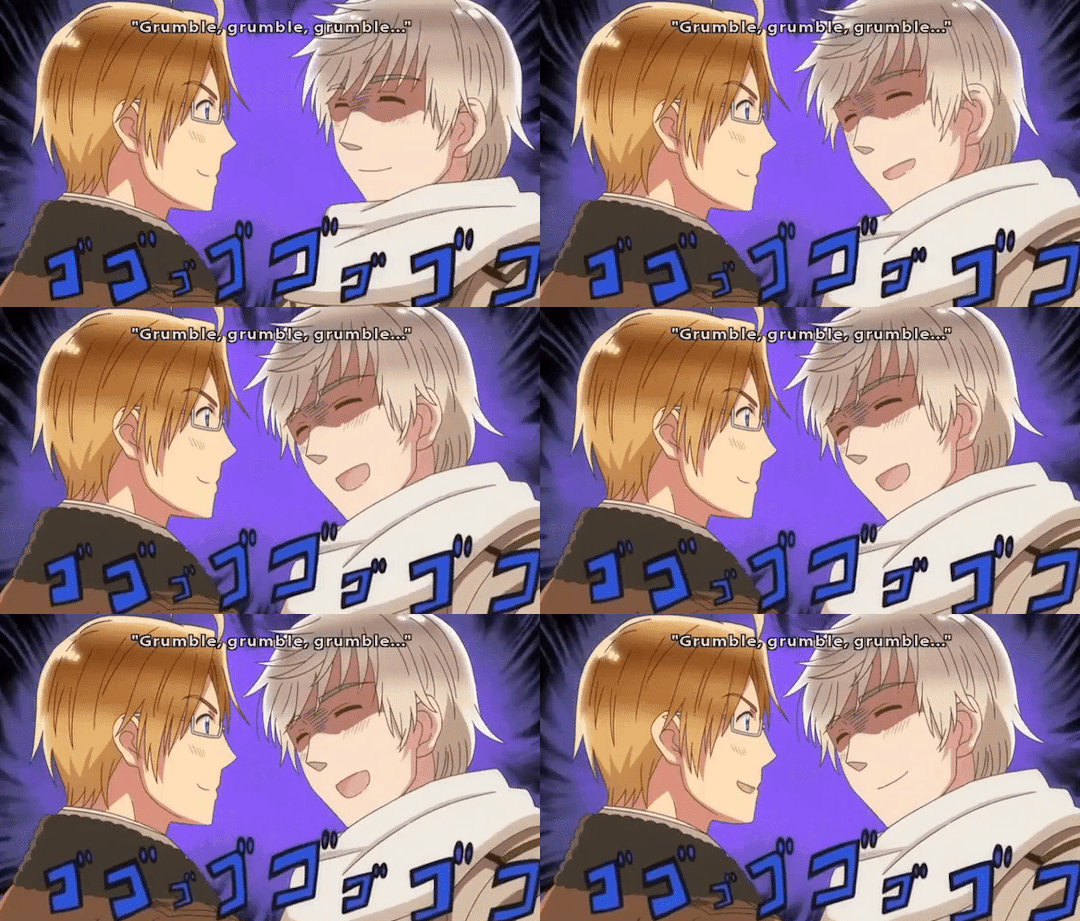
Ex: Prussia will cough up blood if Russia touches him.
Either that, or he will lose four eyelashes.
image

With all that in mind, long-lasting hatred between nations
is rare in canon. Similarly, while current political relations may have an
influence on how nations interact with each other, the influence of the past –
on a personal level – is much greater.